
💪 Confidence Boosters — Overcoming “I Can’t Do It” Mindsets
We’ve all said it at some point: “I can’t do this.” Whether it’s tackling a tricky Maths question, analysing a Shakespeare quote, or sitting a test, self-doubt can creep in fast.
But here’s the truth: confidence isn’t something you’re born with — it’s something you build. 💡
This week, we’ll explore how to shift from “I can’t” to “I can learn how.”
🧠 1. Understand the Power of Mindset
Psychologist Carol Dweck introduced the idea of growth mindset — the belief that intelligence and ability can grow through effort, good strategies, and learning from mistakes.
A fixed mindset says, “I’m just not good at this.”
A growth mindset says, “I’m not good at this yet.”
🧩 Try This:
Next time you feel stuck, add the word “yet” to your sentence.
“I can’t solve this problem… yet.”
It sounds small, but it changes how your brain sees the challenge — as temporary, not permanent.

🔍 2. Focus on Progress, Not Perfection
Confidence grows from noticing small wins.
Instead of asking, “Did I get it right?” ask, “What did I do better this time?”
🎯 Student Tip:
Keep a Progress Journal. Each week, write down:
One thing you improved
One thing you found challenging
One goal for next week
Over time, you’ll see proof of your growth — and that’s real motivation.
👪 Parent Tip:
Ask questions that focus on effort:
“What part did you find easier this time?”
“What helped you figure it out?”
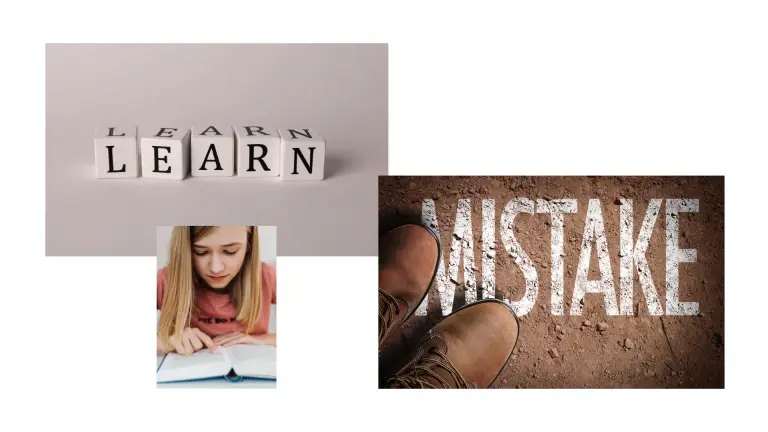
🔄 3. Learn from Mistakes (They’re Evidence You’re Trying!)
Every mistake is a sign that you’re learning something new. Nobody gets everything right the first time — not even top students.
Instead of thinking, “I failed,” try, “This shows me what to fix next.”
💬 Student Challenge:
After your next test or homework, pick one mistake and write how you’ll improve it.
For example:
“I lost marks for forgetting to explain the quote — next time I’ll add ‘This shows that…’”
This turns frustration into a plan — that’s how real learning happens.

⏳ 4. Build Confidence Through Action
onfidence doesn’t appear before you start — it grows because you start.
Small steps build momentum:
Try one extra question.
Volunteer to answer once in class.
Revise for 10 more minutes.
Each small action sends your brain the message: “I’m capable.”
🧠 Remember: Motivation follows action — not the other way around.
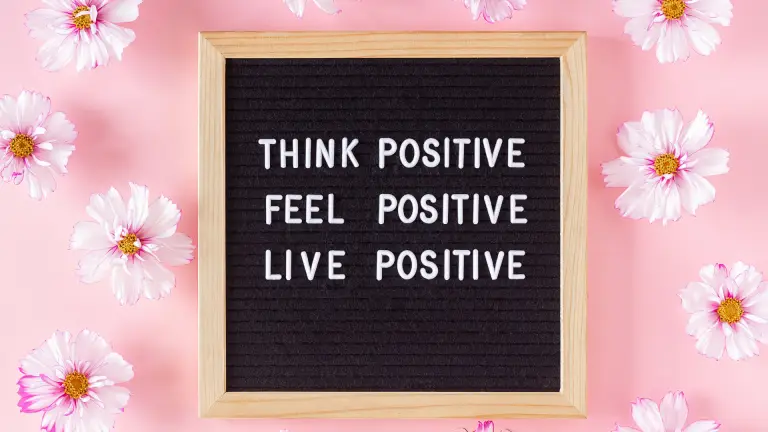
💬 5. Surround Yourself with Positive Voices
Confidence grows faster when you have encouragement around you.
Spend time with classmates, tutors, or friends who believe in you and celebrate your progress.
If you’re struggling with negative thoughts, ask yourself:
“Would I talk to a friend this way?”
If not, speak to yourself with the same kindness you’d give someone else.
👪 Parent Corner:
Try this with your child: each evening, share “one thing you did well today.” It might be finishing homework early, or just asking for help — both show progress!
🌱 Parent Section: How to Praise Effort, Not Just Results
Research shows that the type of praise children receive affects their confidence.
Praise for effort (“You worked really hard on that!”) encourages persistence.
Praise for intelligence (“You’re so clever!”) can actually make them afraid to fail.
Here’s how to praise effectively:
✅ Focus on process — how they approached the task.
✅ Use specific feedback — “You planned that essay carefully” instead of “Good job.”
✅ Normalise mistakes — “That was tough, but you didn’t give up.”
Small shifts in language build resilience — and resilient students become confident learners.
✨ Quick Confidence Boosters (Students Can Try Today)
✅ Start a “Proud Moments” list — 3 things you did well this week.
✅ Use positive self-talk: replace “I’m bad at this” with “I’m getting better.”
✅ Watch your body language — sitting tall and breathing deeply boosts confidence.
✅ Remember: effort = progress. Every bit counts.
And if you missed the start of the series, begin with Week 1:
If you haven’t yet, grab last week’s Free Study Schedule Template to help plan your study sessions and track your wins:
💬 Wrapping Up
Confidence isn’t about knowing everything — it’s about believing that you can learn anything.
This week, try focusing on progress, not perfection. Celebrate effort, reflect on mistakes, and remind yourself that “I can’t” is just “I can — with time.”
📅 Next Week’s Blog: Digital Learning Tools Every Student Should Try.