
How to Help Your Child Prepare for Secondary School Over the Summer

Starting secondary school is a big milestone for both children and parents. It is exciting, but it can also feel overwhelming. New teachers, a larger school, more homework, and greater independence can leave many children feeling nervous before September arrives.
The good news is that the summer holidays provide the perfect opportunity to help your child feel confident, organised, and ready for Year 7 without spending hours studying each day.
In this guide, we’ll share practical tips that will help your child make a positive start to secondary school while enjoying their summer break.
Why Summer Preparation Matters
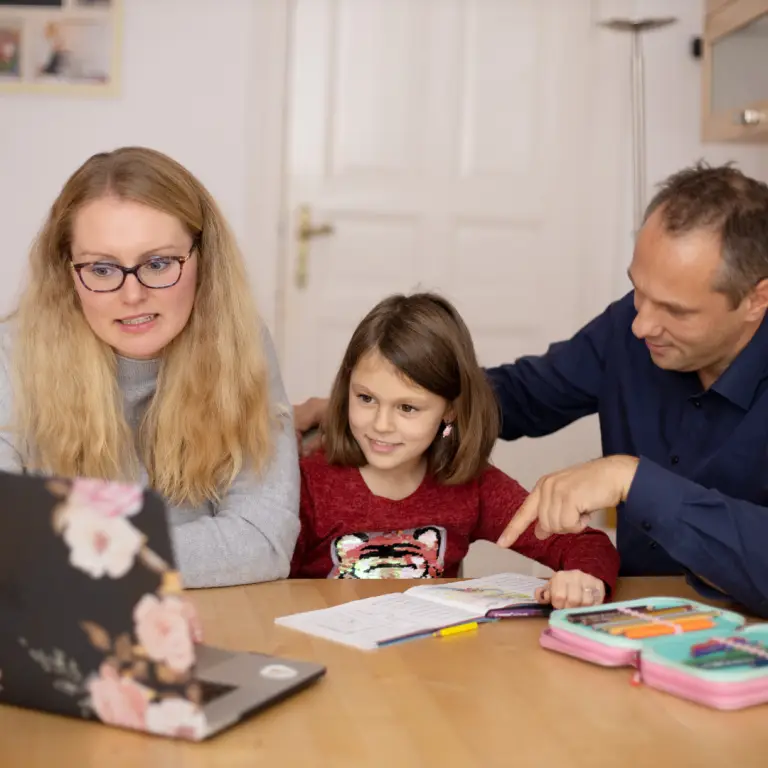
Many parents focus on buying school uniforms and equipment, but preparing academically and emotionally is just as important.
Students who arrive feeling confident are often more willing to:
- Make new friends
- Ask questions in lessons
- Complete homework independently
- Adapt to new routines
- Enjoy learning
A little preparation during the summer can reduce anxiety and make the transition much smoother.
1. Encourage Regular Reading
Reading is one of the best ways to prepare for secondary school.
Whether your child enjoys adventure stories, mystery novels, biographies or magazines, regular reading helps improve:
- Vocabulary
- Comprehension
- Spelling
- Writing skills
- Confidence across all subjects
Aim for just 20 minutes of reading each day. It doesn’t need to feel like homework—it should be something they enjoy.
Parent Tip
Ask questions about what they’ve read:
- What happened?
- Why did the character make that choice?
- What do you think will happen next?
These simple conversations develop analytical thinking, a key skill in secondary school.
2. Keep Writing Little and Often
Many children lose confidence in writing over the six-week holiday.
Instead of completing worksheets every day, encourage short writing activities such as:
- Keeping a holiday journal
- Writing a short story
- Creating comic strips
- Reviewing a book or film
- Writing a letter to a family member
The goal is to keep writing enjoyable while maintaining important skills.
3. Practise Basic Maths
Children don’t need to spend hours solving equations.
Instead, build maths into everyday life.
Examples include:
- Working out shopping totals
- Measuring ingredients while cooking
- Reading timetables
- Calculating travel times
- Playing number games
Short, practical activities help keep mathematical thinking active.
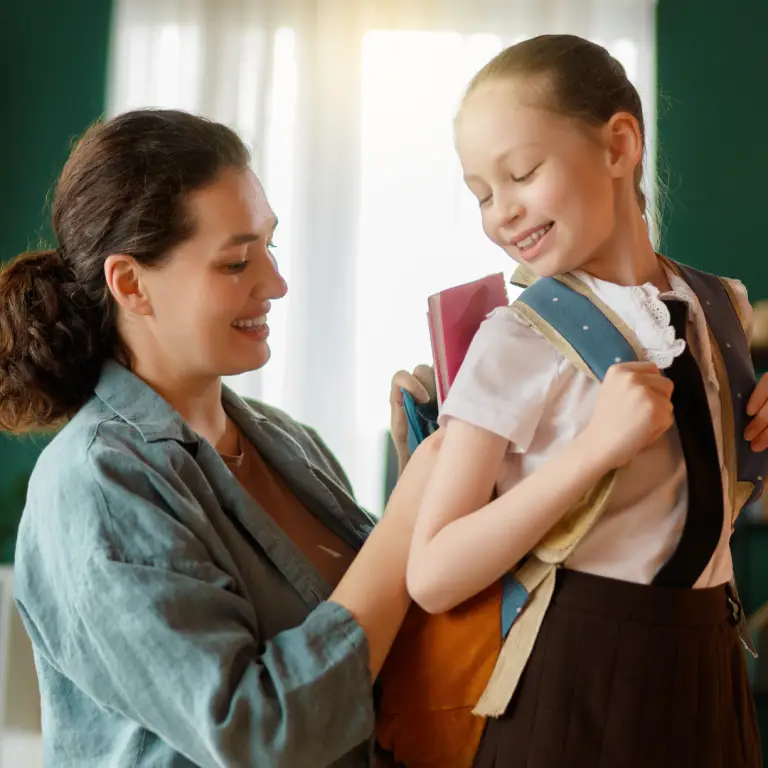
4. Develop Organisation Skills
One of the biggest changes in Year 7 is becoming more independent.
Children suddenly need to remember:
- Multiple teachers
- Different classrooms
- Homework deadlines
- PE kits
- Equipment
During the summer, encourage your child to take responsibility for small daily tasks such as:
- Packing a bag
- Setting an alarm
- Planning their day
- Keeping their bedroom organised
These habits make the transition much easier.
5. Build Confidence Through Conversation
Many children worry about secondary school but don’t always say so.
Talk openly about:
- Making friends
- Getting lost
- Homework
- Lunchtimes
- Travelling to school
Reassure them that almost every new Year 7 student feels exactly the same.
Confidence grows when children know their worries are normal.
6. Encourage Independent Learning
Secondary school places greater responsibility on students.
Rather than giving answers immediately, encourage your child to:
- Look up information
- Use a dictionary
- Research safely online
- Explain their thinking
- Solve problems independently
These habits build resilience and confidence.
7. Visit the School if Possible
If your child’s new school is nearby, consider walking or driving the route during the holidays.
Knowing:
- where the entrance is,
- how long the journey takes,
- and what the area looks like,
can reduce first-day nerves significantly.
8. Create a Gentle Routine Before September
During the final week of the holidays, begin adjusting:
- Bedtimes
- Wake-up times
- Meal times
- Screen time
This makes the first week back at school much less tiring.
9. Focus on Confidence Rather Than Perfection
Children do not need to know everything before starting secondary school.
Teachers expect Year 7 students to learn new routines gradually.
The most valuable qualities are:
- Curiosity
- Confidence
- A willingness to ask questions
- Good organisation
- A positive attitude
These qualities often matter more than memorising facts over the summer.

How Online Tuition Can Help Before Secondary School
Some children benefit from additional support before they begin Year 7.
One-to-one online tuition can help strengthen:
- Reading comprehension
- Creative writing
- Grammar and punctuation
- English confidence
- Study skills
- Independent learning
Building these skills before September helps many students settle into secondary school more quickly and approach lessons with greater confidence.
At Online-Tutoring.uk, we provide personalised online tuition designed to build confidence as well as academic ability. Lessons are tailored to each student’s needs, helping them develop the skills required for a successful transition into secondary school.
If you’d like to discuss how we can support your child, book a free consultation today or explore our English tuition services to see how we can help your child start Year 7 with confidence.
Frequently Asked Questions
How can I prepare my child for secondary school over the summer?
Encourage daily reading, regular writing, basic maths practice, organisation skills and open conversations about starting Year 7. Small, consistent activities often make a bigger difference than long study sessions.
Should children study every day during the summer holidays?
No. Children also need time to relax. Around 20–30 minutes of reading, writing or educational activities several times a week is usually enough to keep skills fresh while still enjoying the holidays.
What skills are most important before starting Year 7?
Reading confidence, writing, organisation, independence, communication and a positive attitude are all valuable skills that help children settle into secondary school successfully.
Is online tuition useful before secondary school?
For many students, yes. Online tuition can build confidence, strengthen English skills and address any gaps in learning before they begin Year 7.

Final Thoughts
Starting secondary school is a significant step, but it doesn’t need to be stressful.
By encouraging good reading habits, practising writing, developing independence and building confidence over the summer, you can help your child begin Year 7 feeling prepared and ready to succeed.
Every child is different, and the aim isn’t perfection—it’s helping them feel capable, confident and excited about the next stage of their education.
Ready to help your child start secondary school with confidence? Contact Online-Tutoring.uk today to arrange a free consultation and discover how personalised online tuition can support a successful transition into Year 7.